The Manufacturing Process and Technology of Photovoltaic Modules
Table of Contents
Introduction to Photovoltaic Modules
The photovoltaic industry chain is divided into four stages: polysilicon, wafer, solar cell, and module. The PV module sits at the downstream end of the chain, positioned between the solar cell and the complete PV system.
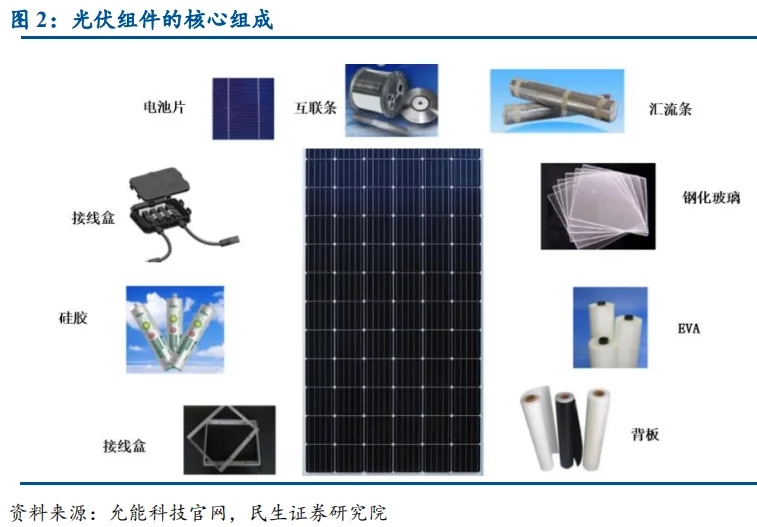
A single solar cell generates only a limited amount of electricity. Cells must be connected in series and encapsulated into a module before they can serve as a usable power source. The PV module is therefore the smallest indivisible solar device capable of providing direct current output on its own. As the smallest effective power-generating unit, it consists of nine core components: solar cells, interconnect ribbons, bus bars, tempered glass, EVA, backsheet, aluminum alloy frame, sealant, and junction box.
Among the four stages of the PV chain, the module segment was the earliest to develop and mature in China.
Module production mainly involves two key steps: cell interconnection and lamination. Cell interconnection determines the electrical performance of the module. The standard cell count for a PV module is 60 or 72 cells, connected by 10 or 12 copper ribbons acting as bus bars, with six groups interconnected to form one module.
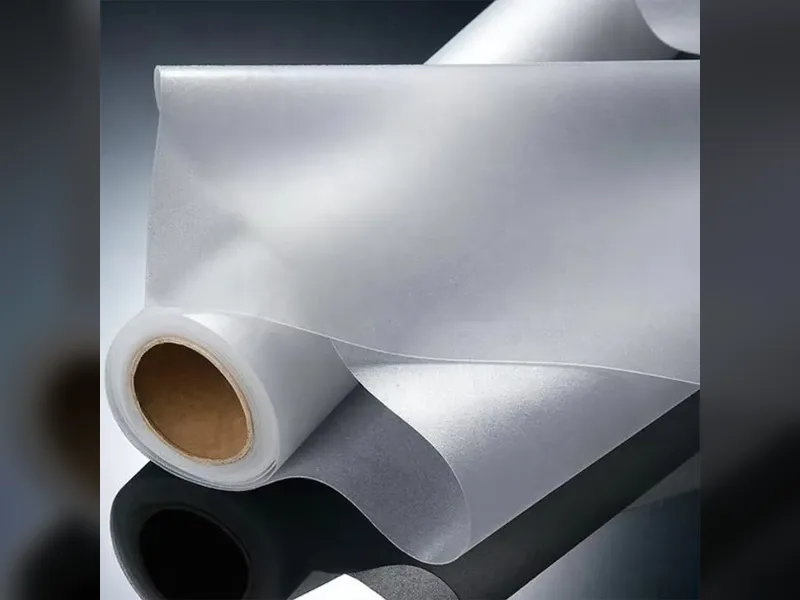
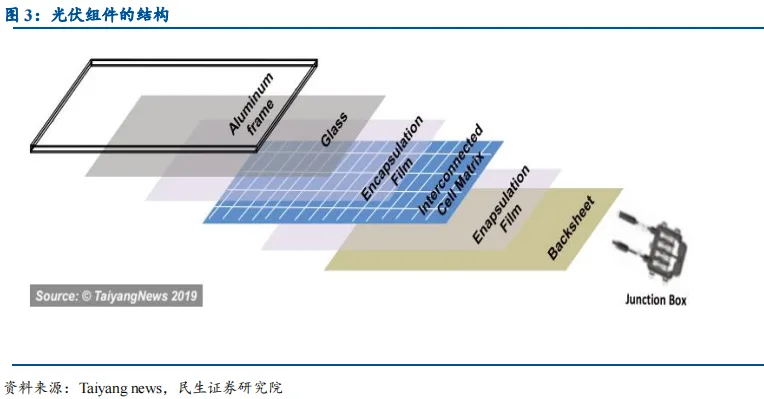
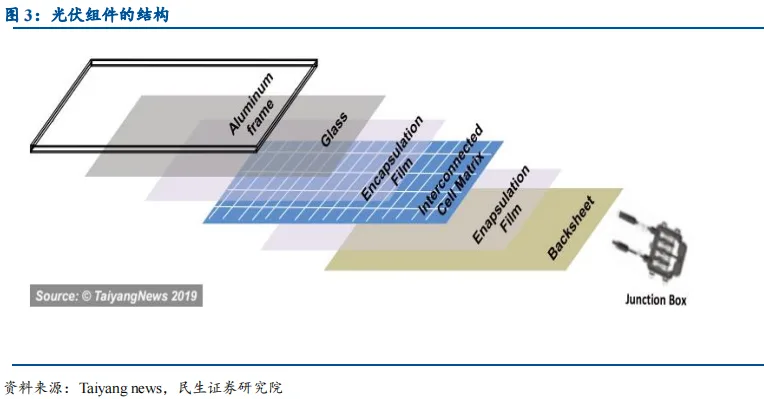
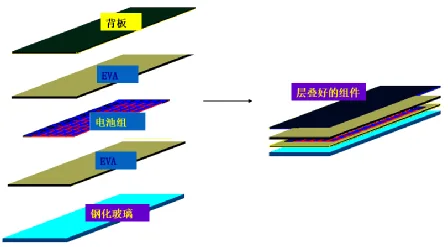
A PV module is expected to last at least 25 years, so it must withstand environmental stress and provide a degree of mechanical strength. After cell interconnection, the materials are typically arranged from bottom to top as tempered glass, EVA, cells, and backsheet, then sealed together through lamination. The backsheet and tempered glass encapsulate the cells and EVA inside, while the aluminum frame and sealant protect and seal the edges.
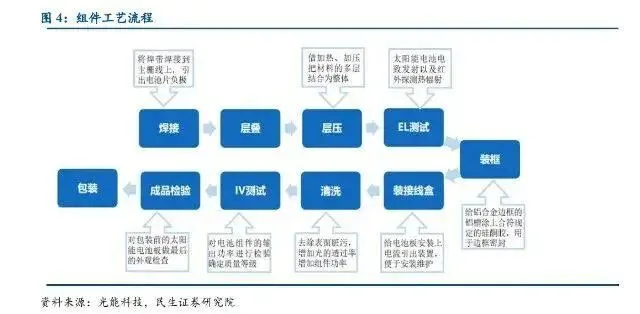
The overall module manufacturing workflow can be broken down into: soldering, layup, lamination, EL testing, framing, junction box installation, cleaning, IV testing, final inspection, and packaging. Among these, soldering and lamination carry the highest technical content and value.
Equipment Used in Module Production
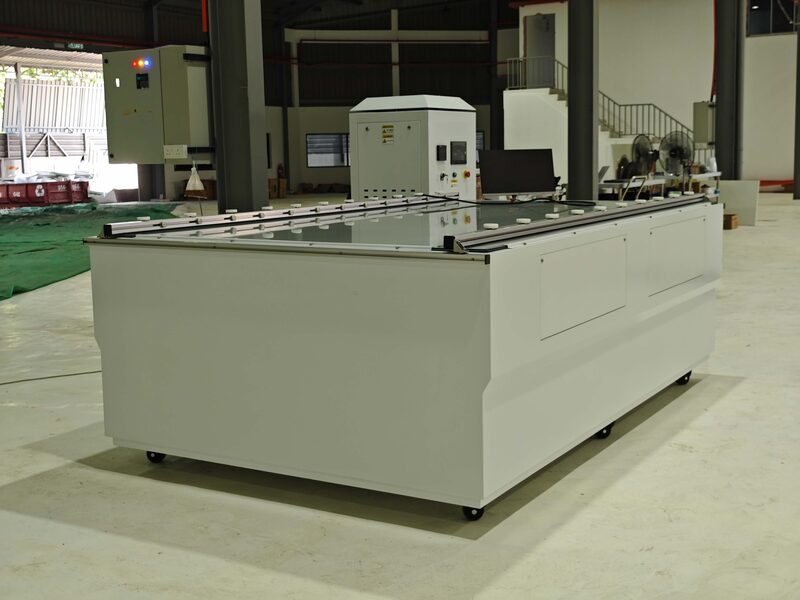
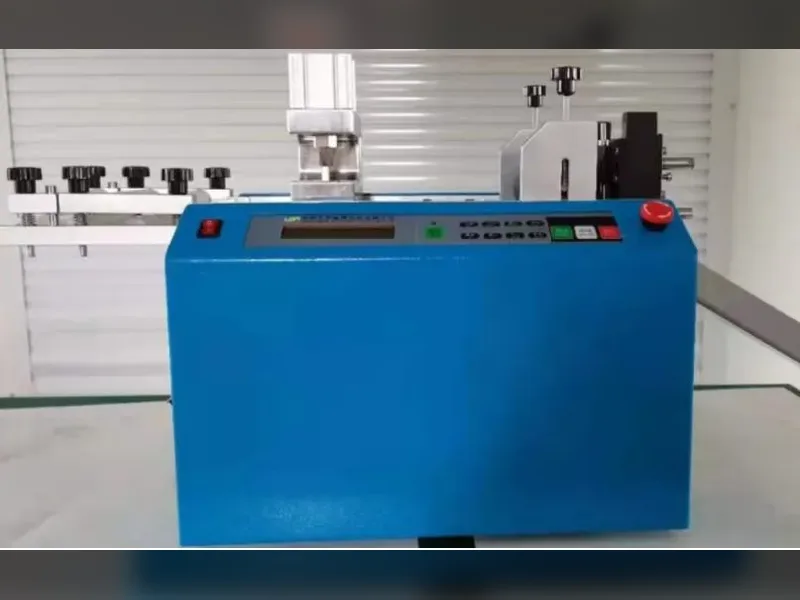
Module equipment corresponds directly to each stage of the production workflow. The main machines include laser cutting machines, tabber stringers, automatic layup equipment, laminators, and automatic production lines.
Looking at the individual stages: the soldering stage requires laser cutting machines, bus bar welding machines, and cell tabber stringers; the layup stage uses template-placing machines; the lamination stage requires a laminator; the EL testing stage requires an EL tester; the framing stage requires automatic frame-placing and framing machines; the junction box stage requires a junction box soldering machine; the cleaning stage requires module turnover units; the IV testing stage uses an IV curve tester; final inspection requires a turnover inspection unit; and packaging requires a packaging line.
Beyond individual machines, equipment suppliers can also provide fully automated module assembly lines covering every stage, enabling turnkey projects.
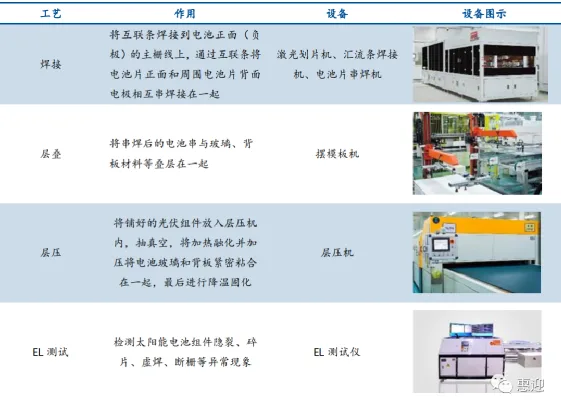
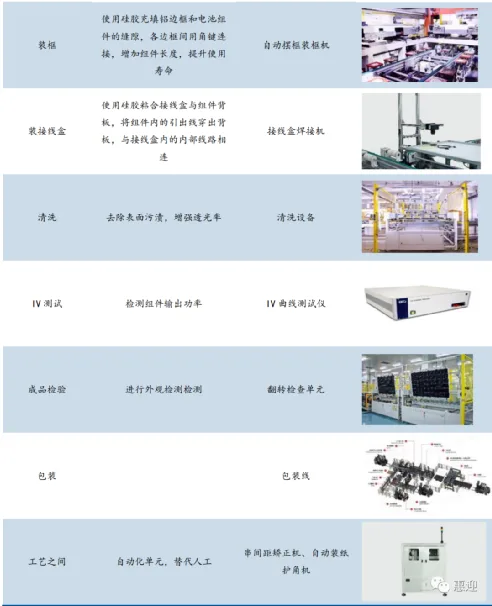
The quality and cost of solar cell modules directly affect the quality and cost of the entire system. So what does the module production workflow actually look like?
Module Structure
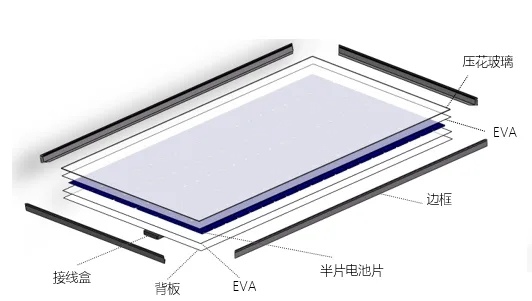
Half-Cell Module Structure
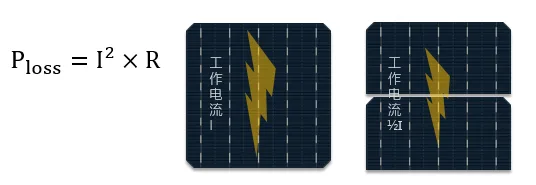
In half-cell modules, the cells are cut in half so that the operating current of each cell is halved. This significantly reduces electrical losses on the ribbons and improves the module's cell-to-module (CTM) ratio.
The gaps between cells in a half-cell module are larger, slightly increasing the light reflected from the glass back onto the cells. The higher the cell current, the greater the benefit gained from half-cell technology.
Module Production Workflow
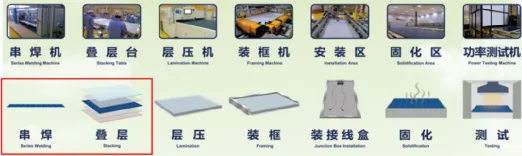
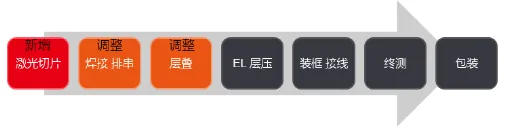
The module production process generally passes through seven stages: stringing, layup, lamination, framing, junction box installation, curing, and testing, before final packaging and delivery to the market. Unlike full-cell modules, half-cell modules implement cell cutting at the module stage, adding a cutting step with a laser cutting machine, after which the stringing and layup processes are adjusted. On the cell side, half-cell technology requires adjusting the cell layout.
Stringing
Using ribbons (either manually or automatically), the front and back of each cell are soldered together to form a series-connected cell string.
Key process controls: cold soldering, over-soldering, cell cracking, and solder pull strength.
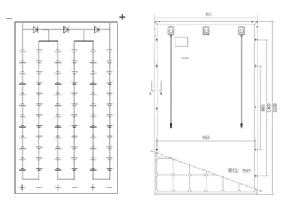
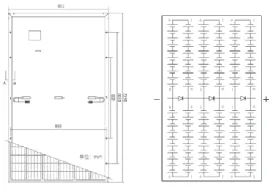
The mainstream layout for half-cell modules adopts a two-section design (as shown). The upper and lower halves are connected in parallel and use bypass diodes. The lead-out point changes from the top of a full-cell module to the middle, making it suitable for vertical installation.
Layup
After the cell strings are connected and pass inspection, the cell strings, glass, cut EVA, and backsheet are laid out in a specific order in preparation for lamination. During layup, the relative positions of the cell strings and materials such as the glass are kept fixed, and the spacing between cells is adjusted to provide a good foundation for lamination. The layup order from bottom to top is: glass, EVA, cells, EVA, glass fiber, and backsheet.
Lamination
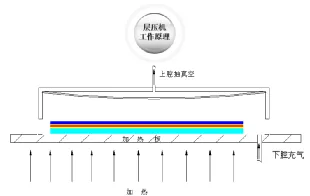
The laid-out cell assembly is placed in the laminator. Air inside the module is removed by vacuum, then heat is applied to melt the EVA, bonding the cells, glass, and backsheet together. Finally, the module is cooled and removed. Lamination is the critical step in module production, with lamination temperature and time determined by the properties of the EVA. When using ordinary EVA, the lamination cycle time is about 10 to 15 minutes, with a curing temperature of 135 to 145 degrees Celsius.
Key process controls: bubbles, scratches, dents, bulging, and cell cracking.
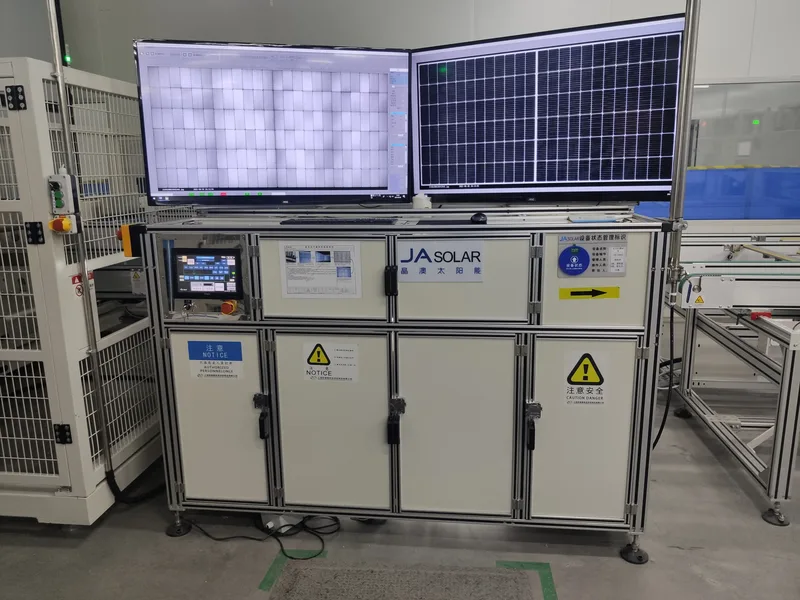
It is worth noting that before lamination, strict appearance inspection and EL testing are required to ensure module performance and safety.
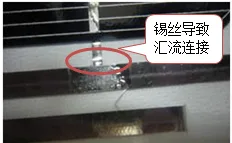
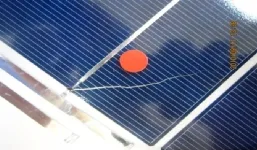
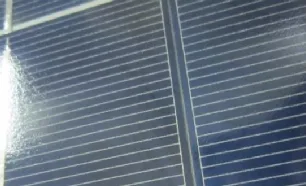
Appearance inspection
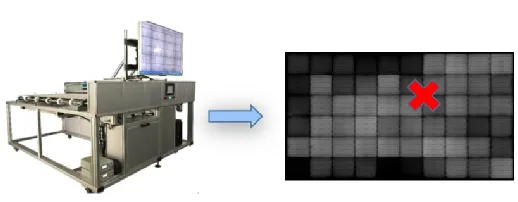
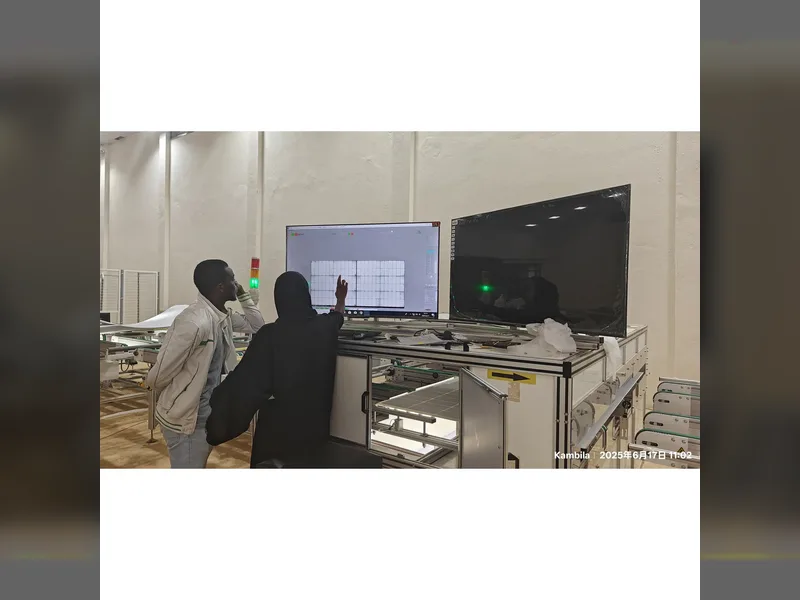
EL inspection
Framing
The frame protects the edges and corners of the module's tempered glass and the laminated module, making later installation easier.
Key process controls: dents, abrasions, scratches, missing mounting holes, sealant overflow on the back, bubbles, and lack of sealant.
Junction Box Installation
The junction box connects and protects the PV module while conducting the current generated by the module out for the user.
Key process controls: bubbles and sealant overflow.
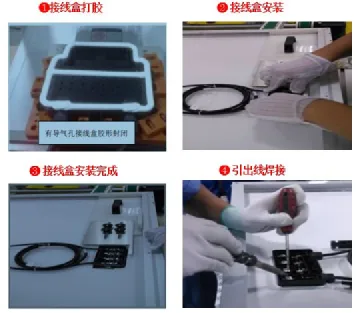
Curing
The sealant injected during the earlier framing and junction box installation steps is cured to strengthen the seal and protect the module from harsh external environments afterward.
Key process controls: curing time, temperature, and humidity.
Testing
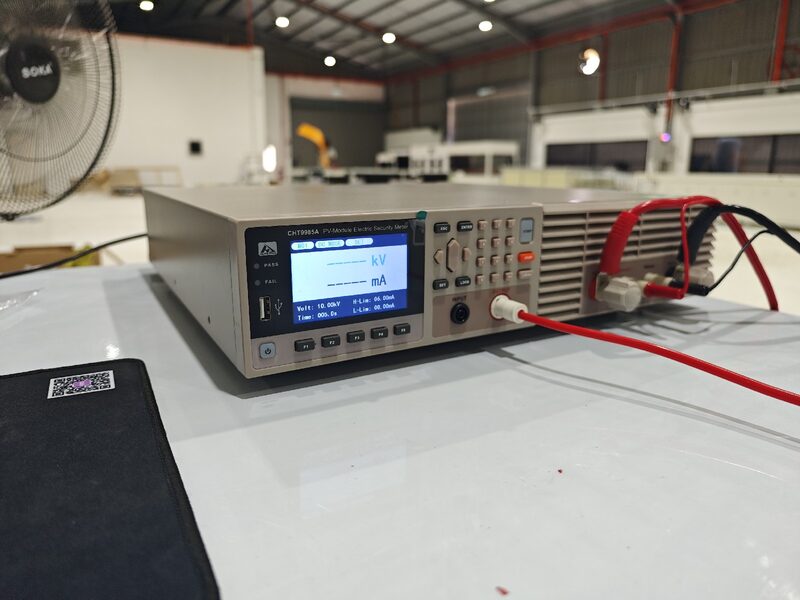
Electrical performance parameters are measured to determine the module's grade. Three main tests are included: insulation withstand voltage testing, which checks the safety between the frame and internal live parts (cells, ribbons, etc.) under high voltage; ground continuity testing, which measures the resistance between the frame and ground to confirm whether the frame grounding is sound; and IV testing, which measures electrical performance parameters to determine the module grade.
Production Flow of a Single PV Module
An industrial robot places book-sized single PV cells onto the production line.
The arranged PV cells are bonded and soldered, with a row of 12 cells soldered and cut. Before mechanization, this work required roughly four or five people working simultaneously.
The soldered PV cells undergo quality inspection. Those without quality issues are sent directly to the next stage for arrangement and organization.
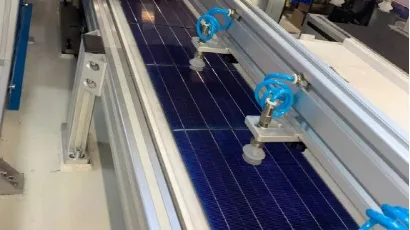
The PV cells are arranged into six rows of 12 cells each per group.
Heating, gluing, and film application are carried out.
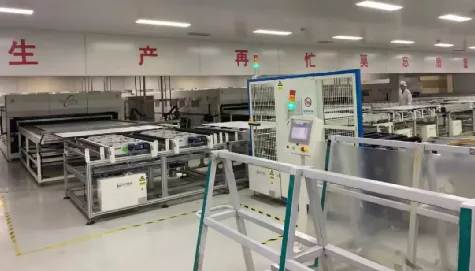
The first layer is glass, the second is EVA, the middle is the PV cells, the fourth is again EVA, and the fifth is the backsheet, used for waterproofing and corrosion resistance.
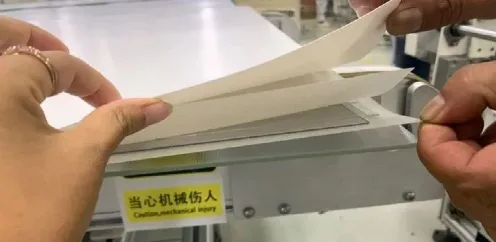
A monocrystalline PV module group has five layers. Lamination fuses these five layers into one.
After lamination and four hours of cold curing, manual dust removal is performed and the edges and corners are inspected.
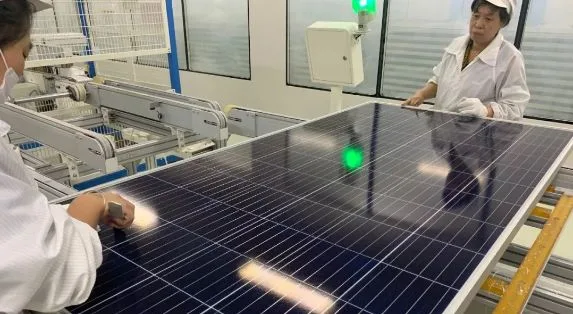
The finished PV module undergoes a simulated sunlight functional test.
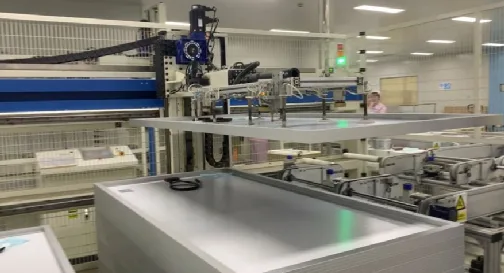
Final inspection and packaging are carried out.
Ooitech's View
Ooitech believes: photovoltaic module manufacturing comes down to precise cell stringing and reliable lamination, with half-cell technology and strict EL testing as the keys to higher efficiency and long-term reliability.